How Much Does Website Design Cost in the USA?
Website design cost in the USA is influenced heavily by accessibility compliance and whether you hire a freelancer or an agency.
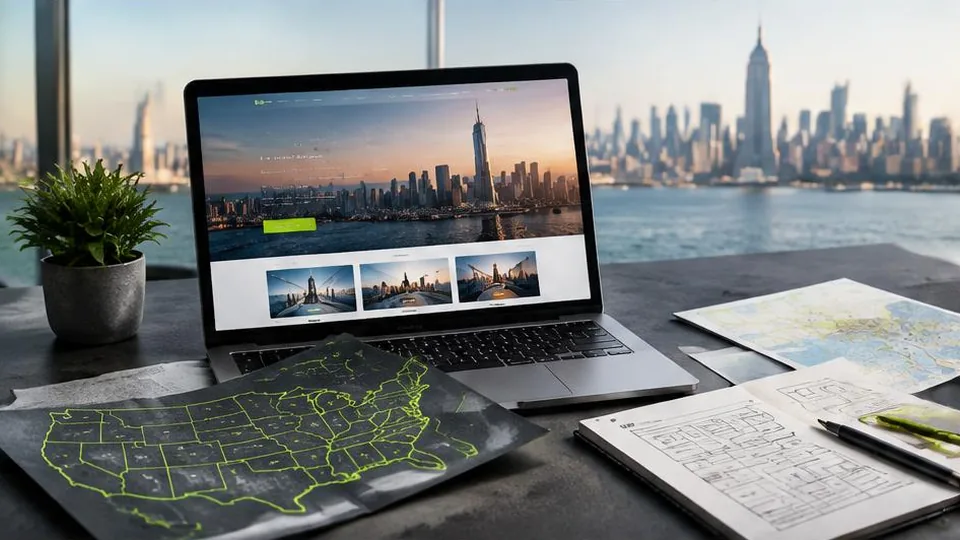
Website design cost in the USA is shaped heavily by two factors many businesses underestimate upfront: accessibility compliance (commonly referenced against ADA standards) and the decision between hiring a freelancer or an agency. These two variables can shift both the scope and the long-term value of a project more than general design preferences do.
Here is what actually drives cost for US-based businesses, beyond generic pricing comparisons.
How This Compares to Other Markets
Accessibility expectations in the US are generally more formalised than in many other regions, partly due to legal precedent around public-facing digital services. This makes it worth treating accessibility as a core requirement rather than an optional extra, even for a small local business, since it also tends to improve the experience for all users, including those on slow connections or older devices.
Accessibility Expectations
Many US businesses, particularly those serving the general public, are expected to meet accessibility standards so that people using screen readers or other assistive technology can navigate the site. This generally involves:
- Proper heading structure and alt text for images
- Sufficient colour contrast for readability
- Keyboard navigability for forms and menus
- Captions or transcripts for video content where relevant
Building with accessibility in mind from the start is more efficient than retrofitting it later, and it also tends to improve usability and SEO for all visitors, not just those using assistive tools. This is a standard part of a well-built web design project rather than an optional add-on.
Freelancer Versus Agency in the US Market
The US market has a wide range of both freelancers and agencies, and the right choice depends on your project's complexity and your available time to manage it.
| Factor | Freelancer | Agency |
|---|---|---|
| Communication | Often direct, one point of contact | Usually a defined process with a project lead |
| Breadth of skills | Varies by individual specialty | Typically spans design, development, and strategy |
| Scalability | Can be limited for larger projects | Generally better suited to growing needs |
| Project risk | Tied to one person's availability | Distributed across a team |
Our article on web designer cost covers this decision in more depth if you are still weighing the two paths.
Platform Choice in the US Market
US businesses commonly choose between website builders, WordPress, and fully custom builds. Each comes with different licensing, hosting, and long-term flexibility considerations. If you are comparing specific platforms, see our breakdown of Wix vs. WordPress vs. custom website options.
Common Mistakes US Businesses Make When Budgeting
- Treating accessibility as optional polish rather than a core part of the build, then facing costly retrofits later
- Choosing a platform based on price alone without checking how well it supports sales tax handling or state-specific requirements
- Underestimating the content and photography needed to compete in a crowded local market
- Not clarifying who is responsible for ongoing hosting and security updates after launch
Questions to Ask Before Hiring
- How do they approach accessibility during design and development, not just as a final checklist?
- What experience do they have with sales tax and payment compliance if you plan to sell online?
- Is support available after launch, and what does it cover?
- Can they show examples of work for businesses similar to yours?
Example Scenario
A local service business operating in several states has different needs than a single-location retail store. The service business may prioritise lead capture forms and service-area pages, while the retail store needs product pages, tax calculation, and checkout flows. Describing your business type clearly during scoping helps a provider price the actual work involved rather than a generic template.
E-Commerce Considerations
Clarifying your sales footprint early, including which states you ship to, helps avoid surprises once checkout and tax logic are being built.
If your US business sells online, integrating payment processors, calculating sales tax across states, and meeting basic security standards (like PCI compliance for card payments) all add to project scope. Our e-commerce service and guide to accepting online payments outline what this typically involves.
Content and Local SEO
US markets are often competitive, especially for local service businesses. Investing in clear content and local SEO alongside the design itself tends to matter more for actual business results than the visual design alone.
A Short Planning Checklist
- Confirm whether your business type has specific accessibility or compliance expectations
- Decide whether you will sell across multiple states and need tax handling built in
- Gather existing branding assets so design time is not spent recreating decisions you have already made
- Set a realistic budget range for content creation, including photography and copywriting
Industry Notes Worth Considering
Service-based businesses — contractors, cleaners, legal practices — often get the most value from strong lead-capture forms and clear service-area pages. Retail and product-based businesses typically need stronger product presentation, search and filtering, and a smooth checkout experience. Clarifying which category your business falls into early helps a provider scope the project accurately.
Planning for Growth
Many US businesses add features over time — online booking, e-commerce, or expanded service areas. Mentioning these plans during your initial scoping conversation, even if you are not building them right away, helps ensure the site's foundation can support them later without unnecessary rework.
No Physical Office Required
A website design provider does not need a US office to deliver a high-quality, compliant website for a US business. Remote collaboration works well for this kind of project, provided the team understands US-specific requirements like accessibility standards and payment norms.
Getting an Accurate Quote
Accessibility work, platform choice, and e-commerce needs all affect scope differently from business to business, so the only reliable way to know your actual cost is a consultation. Every project is unique, and a personalised quote reflects your specific requirements.
Get in touch to discuss your project, or browse our work to see examples across different US business types.
Frequently asked questions
Do all US business websites need to meet ADA accessibility standards?
Accessibility expectations apply broadly, especially for businesses serving the public, and following recognised accessibility guidelines reduces legal risk and improves usability for all visitors.
Is hiring a US-based designer required for a US business?
No. Web design can be delivered effectively by remote teams anywhere, as long as they understand US market expectations like accessibility and payment norms.
Are freelancers generally cheaper than agencies in the USA?
Not always, and the gap depends on experience and scope. Some experienced freelancers charge agency-level rates, while some small agencies price competitively for simpler projects.
What ongoing costs should US businesses expect after launch?
Hosting, domain renewal, security updates, and periodic content refreshes are standard ongoing costs regardless of who builds the site.
Related articles
How Much Does a Website Cost in 2026?
Website cost depends on scope, design, and functionality rather than a fixed number. Here is how to think about the real cost drivers in 2026.
October 10, 2026
How Much Does Website Design Cost in Dubai?
Website design cost in Dubai is shaped by bilingual content, RTL layout needs, and local payment integration more than by generic pricing tables.
October 10, 2026
How Much Does It Cost to Hire a Web Designer?
Web designer cost depends on experience, process, and how the designer works with you, not just their hourly rate.
October 10, 2026