Wix vs. WordPress vs. Custom Website: Complete Comparison
Wix, WordPress, and custom websites each suit different business needs, from quick simple sites to fully tailored, scalable platforms.
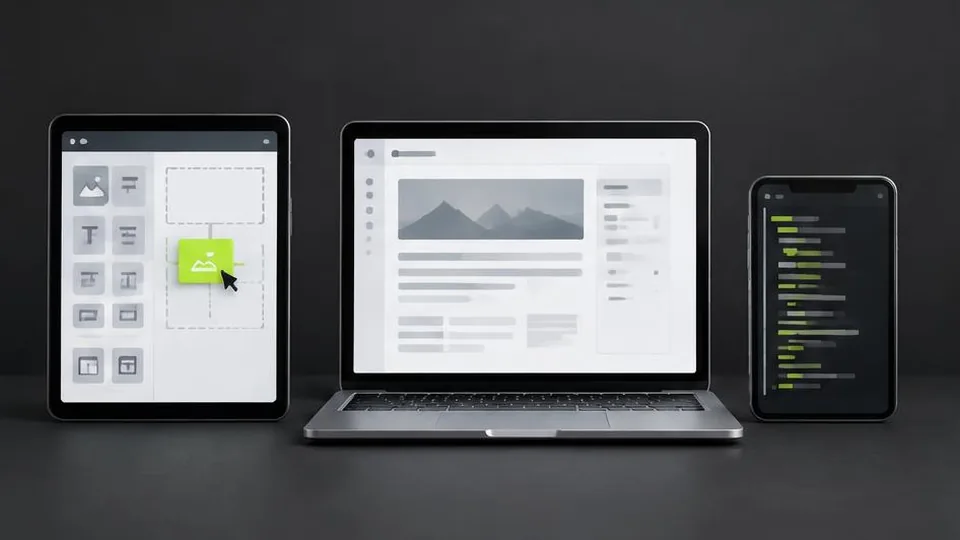
Wix, WordPress, and a fully custom website each represent a different point on the spectrum between simplicity and flexibility. Wix favours ease of use, WordPress offers a middle ground with broad plugin support, and a custom build offers the most control at the cost of more upfront development. Here is how they actually compare.
Quick Overview
| Platform | Best for | Main tradeoff |
|---|---|---|
| Wix | Simple sites, fast launch, minimal technical involvement | Limited flexibility and potential platform lock-in |
| WordPress | Content-heavy sites needing moderate customisation | Requires more setup, hosting, and maintenance awareness |
| Custom website | Businesses needing unique functionality or design | Longer build time and more planning upfront |
Wix
This makes it a reasonable choice for businesses that value simplicity over flexibility.
Wix is a hosted website builder with drag-and-drop editing, built-in hosting, and a large library of templates. It suits businesses that want to launch quickly without managing technical details like hosting or security updates separately.
Strengths: fast setup, all-in-one hosting and support, beginner-friendly editor.
Limitations: design flexibility is constrained by the platform, and moving away from Wix later generally means rebuilding rather than migrating content directly.
WordPress
Many businesses start here and stay for years, upgrading plugins and themes rather than rebuilding from scratch.
WordPress is open-source software that powers a large share of websites worldwide. It requires separate hosting but offers a vast ecosystem of themes and plugins, making it adaptable to many business types — from simple brochure sites to content-heavy blogs and online stores.
Strengths: high flexibility through plugins and themes, strong fit for content publishing, widely supported by developers.
Limitations: requires more ongoing maintenance — updates, plugin compatibility, and security — than a fully hosted builder like Wix.
Custom Website
A custom website is built and coded specifically around your business needs, without relying on a template-based platform. This approach, central to our web design service, allows for design and functionality that is not constrained by a platform's built-in limitations.
Strengths: complete design freedom, tailored functionality, full ownership of code, no inherent platform limitations.
Limitations: typically takes longer to build and requires more upfront planning than using a pre-built platform.
Maintenance Comparison
Factor this ongoing effort into your decision alongside the upfront build, since it affects your time commitment for years, not just at launch.
- Wix: hosting, security, and core updates are handled by the platform.
- WordPress: you are generally responsible for hosting, updates, and backups, though many providers offer managed WordPress hosting to simplify this.
- Custom website: maintenance needs depend on how the site was built, and are typically handled through an ongoing support arrangement.
Which One Fits Your Business?
Consider Wix if you need a simple site live quickly and do not expect significant growth in complexity. Consider WordPress if you want more flexibility, especially for content publishing, and are comfortable with some ongoing management. Consider a custom website if your business needs unique functionality, strong brand differentiation, or you expect to scale significantly.
For a deeper look at the custom-versus-builder decision specifically, see our guide on custom website vs website builder.
Common Mistakes When Comparing Platforms
- Choosing WordPress without planning for ongoing updates and hosting management
- Picking Wix for a business that will soon need custom functionality it cannot support
- Assuming a custom website is automatically the right choice regardless of budget or timeline
- Not checking how easily content can be moved if you later outgrow your first platform
A Practical Example
A photography studio needing a simple portfolio and contact form may do well on Wix, since the built-in hosting and template galleries suit that need directly. A multi-location clinic needing booking integration, staff profiles, and detailed service pages across several languages is more likely to need the flexibility of WordPress or a fully custom build.
Questions to Ask Before Choosing a Platform
- How much ongoing technical management am I willing to take on?
- Do I need functionality that a standard template cannot provide?
- How important is long-term flexibility compared to speed of launch?
- What happens to my content if I decide to switch platforms later?
E-Commerce Considerations
If selling online is part of your plan, platform choice matters even more. Our guide on the best e-commerce platform for small business and comparison of Shopify vs. custom e-commerce cover this in more detail.
A Simple Comparison Example
A freelance consultant needing a one-page site with a bio and contact form may find Wix perfectly sufficient. A local news-style blog publishing frequent articles will likely benefit from WordPress's content tools. A multi-location business needing custom booking logic across several service types is more likely to need a custom build to avoid working around a platform's limitations.
Checklist Before Deciding
- List your must-have features and check whether each platform supports them natively
- Decide how much ongoing technical management you are willing to take on
- Consider your three-year growth plan, not just your needs at launch
- Check how easily your content could move to another platform later if needed
A Final Gut Check
If your main priority is launching quickly with minimal ongoing effort, Wix is a reasonable starting point. If you want more control and plan to publish content regularly, WordPress is worth the extra setup. If your business depends on a distinct brand presence or functionality no template offers, a custom build is the more durable investment.
Making the Right Choice
There is no single best platform — only the best fit for your specific goals, timeline, and growth plans. If you would like help deciding which approach suits your business, get in touch for a consultation, or browse our work to see examples built on different platforms.
Frequently asked questions
Is Wix good enough for a small business long-term?
It can be, for straightforward sites with modest functionality needs. Businesses with more complex or growing requirements sometimes outgrow it.
Is WordPress harder to manage than Wix?
WordPress involves more configuration than Wix, including hosting and plugin management, but it also offers more flexibility in return.
Which platform is best for e-commerce?
It depends on scale and complexity. Our guide on the best e-commerce platform for small business covers this specifically.
Can I move my content between these platforms later?
Moving content between platforms is possible but usually requires manual work, since each platform structures content differently.
Related articles
Custom Website vs. Website Builder: Which Is Better?
Choosing between a custom website vs a website builder depends on how much flexibility, speed, and long-term growth your business needs.
October 10, 2026
How Much Does a Website Cost in 2026?
Website cost depends on scope, design, and functionality rather than a fixed number. Here is how to think about the real cost drivers in 2026.
October 10, 2026
E-Commerce Website Design: Essential Features for Success
Good ecommerce website design isn't about looking impressive — it's about making it effortless for visitors to find products and complete a purchase.
October 10, 2026