How Much Does a Website Cost in 2026?
Website cost depends on scope, design, and functionality rather than a fixed number. Here is how to think about the real cost drivers in 2026.
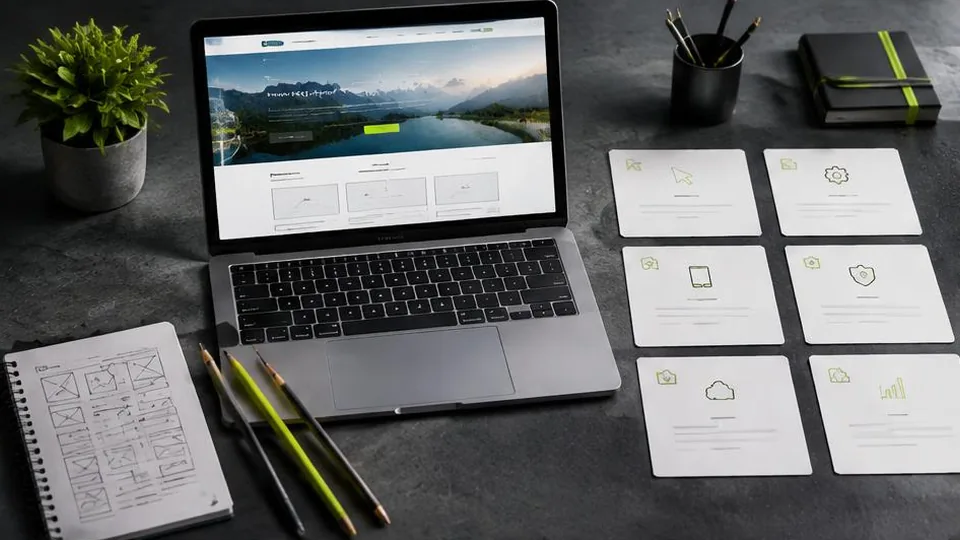
Website cost in 2026 is shaped by scope, design complexity, functionality, and the platform behind the build — not by a fixed market rate. Two businesses in the same industry can end up with very different budgets depending on what they actually need their site to do.
Rather than chasing a number, it helps to understand the variables that push cost up or down. That way, when you sit down for a quote, you already know which decisions matter most.
What Actually Drives the Cost
Scope and number of pages
A simple one-page site answering a few key questions costs far less to produce than a multi-page site with service pages, a blog, location pages, and detailed content. The more unique pages and content types involved, the more design and development time is required. If you are unsure which structure fits your business, see our guide on business website pages.
Custom design versus a template
A site built from a template with minor adjustments is quicker to deliver than a fully custom design built around your brand, photography, and layout preferences. Custom work takes more design iteration, but it also differentiates you from competitors using the same templates. Our website design process is built around this custom approach.
Functionality and integrations
Contact forms, booking systems, online stores, membership areas, multilingual content, and third-party integrations (payment processors, CRMs, email marketing tools) all add development time. A brochure site with a contact form is a different project than a site with an online store and inventory sync.
Content and copywriting
Who writes the words on your site matters. If you need professional copywriting, photography, or video, that is additional work beyond the site structure itself. Sites that launch with placeholder content often need revisions later, which adds cost down the line.
Platform choice
Website builders, open-source platforms like WordPress, and fully custom-coded sites all carry different cost structures, licensing considerations, and long-term flexibility. Our comparison of custom website vs website builder options breaks down the tradeoffs in detail.
Branding maturity
If you already have a logo, brand colours, and style guide, design time is reduced because decisions are already made. If you are starting from scratch, you may also need logo design or a brand book alongside the website itself.
One-Time Cost Versus Ongoing Cost
Website cost is not just the upfront build. Plan for these ongoing items too:
- Domain renewal and hosting (via domain and digital setup)
- Security updates and backups
- Content updates as your business evolves
- SEO and marketing to keep driving traffic through digital marketing
Treating these as part of your total cost of ownership avoids surprises after launch.
Common Mistakes That Inflate Cost Later
Many businesses end up paying more than planned because of a handful of avoidable mistakes:
- Choosing a platform without checking how it handles future features like booking or e-commerce
- Skipping a content plan, then paying for extra revision rounds once pages are already designed
- Approving a quote without a written scope document, leading to disputes over what counts as "extra"
- Delaying mobile and accessibility checks until after launch, which often means reworking pages
Avoiding these early saves both money and time.
Questions to Ask Before You Commit
- What exactly is included in this price — design only, or design and development together?
- How many pages, revisions, and feedback rounds are covered?
- What happens if I need to add a feature, like an online store, after the initial scope is set?
- Who owns the final website files once the project is complete?
- What is included in support after launch, and for how long?
A Simple Example of How Scope Changes Cost
Consider two businesses in the same industry. One needs a five-page brochure site with a contact form. The other needs the same five pages plus online booking, a photo gallery, and bilingual content. Both might describe their project as "a small business website," but the second involves meaningfully more design, development, and testing time. This is why two businesses rarely get the same quote, even when they sound similar on a phone call.
Freelancer, Agency, or DIY Builder?
Each route has a different cost profile:
| Route | Typical strength | Typical tradeoff |
|---|---|---|
| DIY builder | Fast to start, low initial commitment | Limited customisation, ongoing subscription fees |
| Freelancer | Flexible, often more personal | Availability and scope can vary project to project |
| Agency/studio | Structured process, broader skill set | Requires clearer upfront scoping |
Read more in our dedicated piece on hiring a web designer for a closer look at that decision.
Decisions That Are Worth Making Early
A handful of upfront decisions tend to have an outsized effect on both cost and how smoothly the project runs:
- Deciding on your must-have features before requesting quotes, rather than discovering them mid-project
- Agreeing on who provides content — you, the provider, or a mix of both
- Setting a realistic launch date so design and development are not rushed
- Deciding whether branding needs to be developed alongside the site, or is already in place
Making these calls early tends to reduce both the cost and the stress of a website project.
Why Quotes Vary So Much
If you have requested quotes and seen a wide spread, that is normal. Each provider is pricing a different combination of design depth, functionality, timeline, and support. A quote is only meaningful once it is tied to a clear scope document.
How to Get an Accurate Number
The most reliable way to understand your cost is to describe your goals, audience, and must-have features in a consultation. From there, a provider can scope the project accurately rather than guessing.
Every project is unique, and the only way to get a number that actually applies to your business is a personalised quote. You can get in touch to start that conversation, or look at our work first to see the range of projects involved.
Frequently asked questions
Is there a standard price for a website?
No. Websites vary so much in scope, design, and functionality that a single standard price does not exist. The only reliable way to know your cost is a consultation based on your specific goals.
Does a more expensive website always perform better?
Not necessarily. Performance depends on how well the site matches your business goals, audience, and ongoing maintenance, not just the initial spend.
Should I budget for anything beyond the build itself?
Yes. Domain registration, hosting, maintenance, and future content updates are ongoing costs separate from the initial design and development.
Can I start small and expand later?
Yes. Many businesses launch with a focused site and add pages, e-commerce, or new features as they grow.
Related articles

Small Business Website Cost: What Affects the Price?
Small business website cost depends on your industry, features, and growth plans more than on generic market averages.
October 10, 2026
How Much Does It Cost to Hire a Web Designer?
Web designer cost depends on experience, process, and how the designer works with you, not just their hourly rate.
October 10, 2026
Custom Website vs. Website Builder: Which Is Better?
Choosing between a custom website vs a website builder depends on how much flexibility, speed, and long-term growth your business needs.
October 10, 2026