How Much Does Professional Logo Design Cost?
Logo prices range enormously depending on what's actually included. Here's what drives logo design cost and how to evaluate a quote.
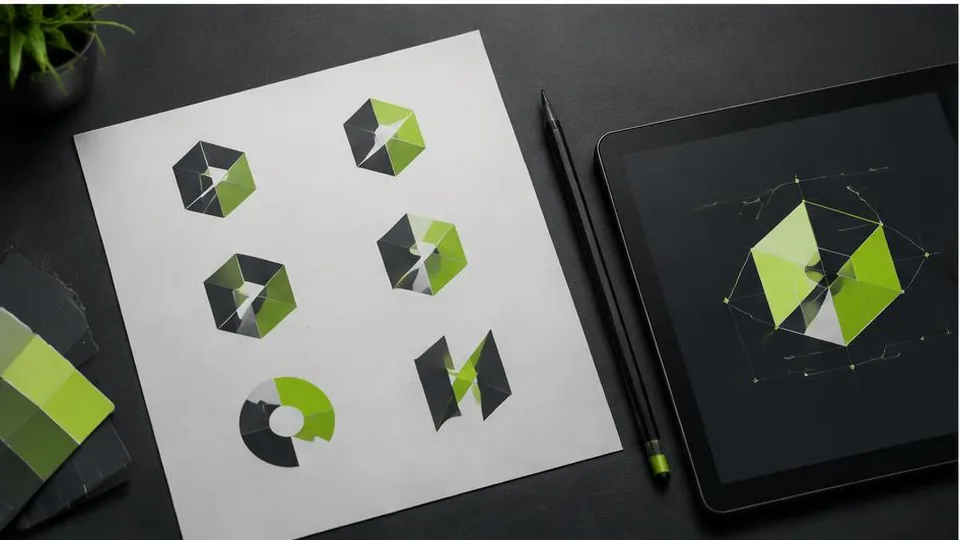
There's no fixed answer to "how much does a logo cost," because it depends entirely on what's included — a simple icon with one revision is a very different job from a full identity package with multiple concepts, revisions, and brand guidelines. Understanding what drives the cost helps you evaluate quotes sensibly instead of comparing numbers in isolation.
What's actually being priced
A logo design project typically involves more than just drawing a symbol. The cost reflects:
- Research and concept development: understanding your business, audience, and competitors before any drawing starts
- Number of initial concepts: more distinct directions to choose from generally means more design time
- Revision rounds: how many rounds of feedback and refinement are included
- Final deliverables: how many file formats and color variations you receive
- Designer experience: more experienced designers often charge more, but may also get to a strong result with less back-and-forth
A quote that seems far cheaper than others may be delivering fewer concepts, no revisions, or limited file formats — fine for some businesses, but worth checking before comparing prices directly.
Logo alone vs. a fuller brand identity
Many businesses actually need more than an isolated logo to look consistent and professional. A complete identity often includes color palette, typography choices, and usage guidelines alongside the logo itself — covered in more depth through a brand book. If you only commission a logo in isolation, you may later find yourself guessing at consistent colors and fonts for other materials, which can undermine the polish the logo was meant to provide in the first place.
Factors that commonly increase cost
- Needing the logo to work across many different applications (signage, packaging, app icons, embroidery) which requires more testing for legibility at different sizes
- Wanting a highly custom illustrative mark rather than a simpler typographic or icon-based logo
- Multiple stakeholders needing to review and approve, which can add revision rounds
- Rush timelines that compress the research and iteration process
Factors that can keep cost reasonable
- A clear brief going in, including examples of styles you like and don't like
- A willingness to trust the designer's expertise rather than requesting many open-ended revisions
- Reasonable, realistic timelines that don't require rushed turnaround
Should you buy a cheap logo?
Low-cost logo options, including template generators and marketplace designs, can work for a very early business testing an idea with minimal investment. The trade-off is a higher chance of a generic result, limited file formats, or a design that closely resembles something else already in use. As a business grows and the logo becomes tied to its reputation, many eventually revisit this decision and invest in a more considered design.
Getting a fair quote
Because scope varies so much, the only reliable way to know what a logo will cost for your specific needs is a conversation about what you actually need: how many concepts, what the logo needs to work across, and how your brand is likely to grow. Every project is unique, and a personalised quote from a consultation is the only accurate way to price it rather than relying on a generic package that may include more, or less, than you actually need.
If you're also planning a new website or website redesign, it's often efficient to plan your logo and visual identity at the same time, so both reinforce a consistent, professional impression of your business from the start.
Questions worth asking before you brief a designer
- What will this logo need to appear on: website, signage, packaging, social media, vehicle wraps
- Do we need it to work in a single color as well as full color, for situations like embroidery or stamping
- How many concepts and revision rounds are included in this price
- What file formats will we receive at the end, and are they editable
- Does this project include broader guidance on colors and fonts, or only the mark itself
A simple checklist for briefing your designer
- Examples of logos you like, and specific reasons why
- Examples of logos you want to avoid resembling
- Your business name exactly as it should appear
- Any colors you definitely want to use or avoid
- Where the logo will be used most: website header, social profile, physical signage
A clear brief tends to reduce the number of revision rounds needed, which keeps cost down regardless of who you hire.
Example: comparing two quotes
One designer quotes a lower price for a single concept with one revision and a PNG file. Another quotes a higher price for three initial concepts, two revision rounds, and a full set of vector and raster files in multiple color variations. On the surface the first looks cheaper, but if you need to resize the logo for a sign later and only have a small PNG, you may end up paying again for a redo. Comparing scope, not just the number, avoids this kind of false saving.
Common mistakes when commissioning a logo
- Choosing based on price alone without checking what's actually included
- Requesting unlimited revisions, which can stretch a project out indefinitely without reaching a confident final result
- Skipping file format planning, then struggling later when a printer or sign maker needs a specific format
- Treating the logo as finished branding, when consistent colors and fonts across your website and materials matter just as much for a cohesive look
Timing your logo investment
Some businesses invest in a stronger logo right at launch, while others start with something simple and revisit it once the business has proven itself and has a clearer sense of its audience and positioning. Neither approach is wrong, but it helps to be deliberate about which one you're choosing, rather than drifting into a weak logo simply because it was never prioritized.
A final note on value
A logo is a long-term asset rather than a disposable graphic, so it's worth weighing the cost against how long you expect to use it and how widely it will appear across your business, from your website header to signage and packaging.
Frequently asked questions
Why do some logos cost so much more than others?
Price differences usually come down to the scope of work: number of concepts, rounds of revisions, final file formats, and whether a broader brand identity is included alongside the logo mark.
Is a cheap logo from a template site a bad idea?
Template logos can work for a very early-stage business on a tight budget, but they risk looking generic or similar to other businesses using the same template, which can be a problem as your brand grows.
What files should I receive with a finished logo?
Typically vector formats (like .ai or .svg) for scalability, plus common raster formats (like .png) in various sizes and color variations for different backgrounds.
Should I get a logo and website designed together?
It can work well, since a consistent visual identity across both makes the brand feel more cohesive, but it's not required — a good designer can match an existing logo.
Related articles
How Much Does Website Design Cost in the USA?
Website design cost in the USA is influenced heavily by accessibility compliance and whether you hire a freelancer or an agency.
October 10, 2026
Small Business Website Cost: What Affects the Price?
Small business website cost depends on your industry, features, and growth plans more than on generic market averages.
October 10, 2026
How Much Does a Website Cost in 2026?
Website cost depends on scope, design, and functionality rather than a fixed number. Here is how to think about the real cost drivers in 2026.
October 10, 2026