How to Hire a Website Developer for Your Business
Hiring the wrong developer costs more than money — it costs time, momentum, and trust in your own project. Here's how to choose well.

To hire a website developer for your business, start by reviewing their portfolio for real, relevant work, ask clear questions about their process and what's included, and make sure the scope and timeline are agreed in writing before any work begins. The goal is finding someone who understands your business goals, not just someone who can write code.
Many business owners hire based on price alone and end up paying twice — once for a site that doesn't work well, and again to fix or rebuild it. A more careful approach upfront saves both money and frustration.
Decide what kind of help you actually need
- A new website from scratch — you'll want someone experienced in full builds, from structure to launch.
- A redesign of an existing site — look for experience specifically with website redesign work, since migrating content and preserving SEO requires different care than starting fresh.
- Ongoing updates and maintenance — some developers specialize in builds but not long-term support, so ask directly if this matters to you.
- E-commerce functionality — building a store involves payment processing, inventory, and security considerations that not every web developer handles regularly; check their experience with e-commerce projects specifically.
What to look for in a portfolio
Don't just glance at screenshots — click through to real, live websites if possible. Check:
- Does the site actually work well on mobile?
- Does it load reasonably fast?
- Is the navigation clear, or confusing?
- Does the design look current, or dated?
- Is there variety across their work, or does everything look like the same template?
A strong portfolio across different industries is often a better sign than a narrow portfolio in just one niche, since it shows the developer can adapt to different goals rather than reusing one formula.
Questions worth asking before you commit
- What's your process from start to finish? A clear answer with defined steps (planning, design, review, development, launch) is a good sign; a vague answer is a warning sign.
- Who writes the content? Some developers only build; others help with copywriting. Know this before you start so there's no confusion later.
- What happens after launch? Ask about support, bug fixes, and whether minor updates are included or billed separately.
- How many revisions are included? This avoids disputes later about scope creep.
- Can I update the site myself afterward? If self-editing matters to you, confirm the platform supports it and ask for a short walkthrough after launch.
- What's the realistic timeline? Be wary of promises that sound too fast for the scope of work discussed — see our guide on how long it takes to build a website for a reasonable benchmark.
Freelancer, agency, or independent studio?
- Freelancers can offer flexibility and lower costs, but availability and backup support can be limited if something goes wrong.
- Large agencies often have more resources but can also mean higher costs and less direct communication with the person actually doing the work.
- Independent studios often sit in between — offering direct access to the people doing the work, with more structure and reliability than a single freelancer. This is worth considering if you want both personal attention and professional process.
Red flags to watch for
- No written agreement on scope, timeline, or cost
- Requests for full payment before any work begins
- Inability to show real past projects
- Pressure to decide immediately without time to review a proposal
- Vague or evasive answers about what's included in the price
A simple hiring checklist
Before you sign anything, make sure you can check off each of these:
- You've seen at least three real, live examples of the developer's past work.
- You understand exactly what's included in the price: pages, content, revisions, and post-launch support.
- Timeline and major milestones are written down, not just discussed verbally.
- You know who owns the domain, hosting account, and website files after launch.
- You have a point of contact for questions during the project, not just at the start.
Example of a good vs. a risky hiring decision
Imagine comparing two proposals. One developer quotes a price, explains their process step by step, shows three live websites similar to your industry, and offers a written scope of work. The other offers a lower price, but can't show recent work, is vague about timeline, and asks for full payment upfront before any work starts. Even though the second option looks cheaper, it carries far more risk — if the project stalls or the final result is poor, there's little recourse and no clear agreement to point back to. The first option, even at a higher cost, is the safer and often ultimately cheaper choice once you account for the risk of a failed project.
Mistakes business owners commonly make when hiring
- Hiring based on the lowest quote alone, without comparing what's actually included.
- Not asking who owns the website afterward, which can create problems if you ever want to switch developers.
- Skipping a written agreement, assuming a verbal understanding is enough.
- Failing to clarify revision limits, leading to disputes when "a few changes" turns into dozens of requests.
- Not checking mobile and load speed on sample work, judging only by how a desktop screenshot looks.
Questions to ask about long-term support
- Will you be available for updates after launch, or is this strictly a one-time build?
- What's your typical response time if something breaks?
- Do you offer any kind of website maintenance plan, or will I need to find separate support later?
- If I want to add features in a year, would that be a simple addition or a larger project?
Getting clear answers to these questions before hiring avoids the common situation where a business owner is left without support the moment something needs to change.
Getting started
Once you've narrowed down who to work with, be ready to share your goals clearly: what the website needs to achieve, who your customers are, and any examples of sites you like. The more clearly you can communicate this upfront, the more accurately any developer — including through our own web design service — can scope the right solution and timeline for you.
If you'd like to discuss your project directly, contact us for a conversation about your specific needs, or browse our work to see examples of completed projects across different industries.
Frequently asked questions
Should I hire a freelancer or an agency?
Freelancers can be more affordable and flexible for smaller projects, while agencies or studios often provide more reliability and a broader skill set for larger or ongoing needs. Choose based on project complexity and your need for long-term support.
What questions should I ask before hiring a developer?
Ask to see past work in your industry, how they handle revisions, what happens after launch, and whether they write content or you need to provide it yourself.
How do I know if a developer is experienced?
Look at their portfolio for real, varied, working websites, ask about their process for planning before building, and check whether they ask thoughtful questions about your business, not just your budget.
What's a red flag when hiring a website developer?
Vague answers about timeline or process, no clear portfolio, pressure to pay the full amount upfront, or an unwillingness to put the scope of work in writing.
Related articles
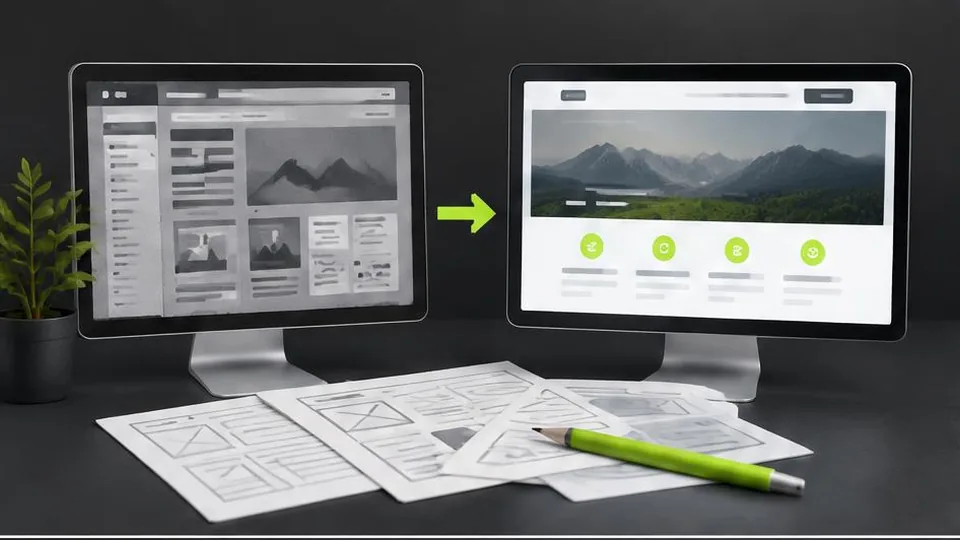
Website Redesign: When and Why Your Business Needs It
A website redesign is more than a new look — it's a chance to fix what's quietly costing you customers. Here's how to know it's time.
October 10, 2026
Affordable Website Design: What Small Businesses Should Know
Affordable doesn't have to mean cheap or risky. Here's how small businesses can get real value from a website without overspending or underbuilding.
October 10, 2026
What Pages Should Every Business Website Have?
Every business website needs a core set of pages to build trust and guide visitors to act. Here's the checklist and why each page earns its place.
October 10, 2026