How to Create an Online Store in Dubai
Launching an online store in Dubai involves more than picking a platform — licensing, local payment options, and delivery logistics all need planning.
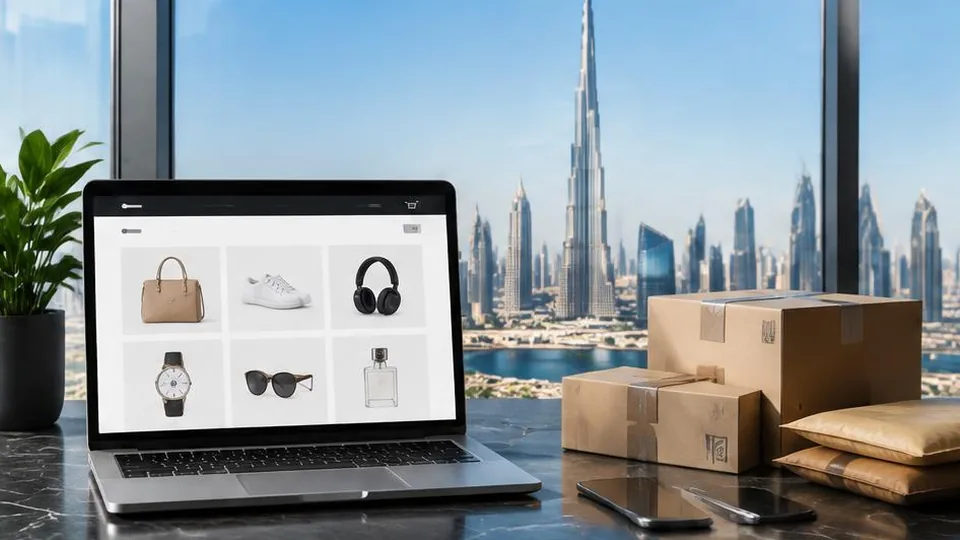
Creating an online store in Dubai involves the same core steps as anywhere else — choosing a platform, designing the store, and setting up payments — plus a few region-specific considerations: business licensing, local payment gateway options, delivery logistics, and VAT. Getting these right from the start avoids costly adjustments later.
Licensing and Business Setup
Before selling online commercially in the UAE, most businesses need an appropriate trade or e-commerce licence from the relevant authority, whether mainland, free zone, or another licensing jurisdiction. Requirements and processes can change, so it's worth checking current guidance directly with the relevant licensing authority, or speaking with a business setup consultant, rather than relying on general information. This step should be confirmed early, since it can affect how you register your business name, bank account, and payment gateway.
Choosing Your Ecommerce Platform
Once your business structure is in place, the next decision is which platform to build on. Shopify and WooCommerce are both commonly used in the UAE market and support integration with regional payment providers. Our comparison of the best ecommerce platforms for small business can help you weigh the options based on your catalog size and growth plans. If your needs are more specific — tight integration with inventory systems or a highly distinctive shopping experience — a custom-built store may be worth considering too.
Local Payment Gateways and Preferences
Payment behavior in the UAE has some distinct characteristics worth planning around:
- Local and regional gateways – alongside global providers, there are several payment gateways operating specifically in the UAE and wider GCC region, often with features tailored to local banks and cards.
- Cash on delivery – still a widely used option for many shoppers, particularly for first-time purchases from a new store. Offering it alongside online payment can improve conversion, though it adds logistics complexity.
- Digital wallets – usage is growing, so supporting at least one popular wallet option alongside cards is increasingly expected.
Our guide on how to accept online payments covers the general setup process, which applies here with the added step of selecting gateways available and compliant in your jurisdiction.
Delivery and Logistics
Dubai's compact geography makes same-day or next-day delivery realistic for many local businesses, but it's worth deciding early whether you'll handle delivery yourself or work with a courier service. Clear, honest delivery timelines on your product and checkout pages build trust, especially important for a store without a physical location customers can visit.
VAT and Tax Considerations
VAT generally applies to most goods and services sold in the UAE, and businesses above certain thresholds are required to register and collect it. Because tax obligations depend on your specific business structure and revenue, checking current Federal Tax Authority guidance or consulting an accountant is the safest approach — this article can't substitute for that advice.
Designing a Store That Builds Trust
Online shoppers in any market look for signals that a store is legitimate before entering payment details. This matters particularly for new stores without an established reputation yet. Clear contact information, transparent return and delivery policies, and professional ecommerce website design all contribute to that trust. A consistent brand identity — supported by solid logo design — also helps a new store feel established rather than temporary.
Common Mistakes to Avoid
- Building the store before confirming licensing requirements, which can mean redoing business registration details, bank account names, or payment gateway applications later.
- Assuming one payment gateway covers every preference, when offering cash on delivery or a regional digital wallet alongside cards often meaningfully improves conversion in this market.
- Underestimating delivery expectations, since many shoppers in the UAE expect fast, clearly communicated delivery timelines, even from new stores.
- Treating VAT as an afterthought, rather than confirming obligations before the store starts generating real revenue.
- Using an unverified or informal payment collection method, which can create compliance issues down the line.
A Practical Example
A new homeware business in Dubai might be tempted to launch quickly on a generic platform with only one international payment option. After a few weeks of slow sales, they discover that many potential customers abandoned checkout because they preferred cash on delivery or a local wallet they trust more than entering card details on an unfamiliar new store. Adding that option, alongside clearer delivery timelines on the product page, often makes a noticeable difference for a business still building its reputation.
Questions to Ask Before Launching
- Has your trade licence and business structure been confirmed for ecommerce activity specifically?
- Which payment methods are most expected by your target customers, and does your chosen gateway support them?
- Do you have a realistic delivery plan, whether in-house or through a courier partner?
- Are your VAT obligations clear for your expected revenue and business structure?
- Does your store's design build enough trust for a first-time buyer who has never heard of your brand?
Pre-Launch Checklist
- Trade or e-commerce licence confirmed with the relevant authority
- Platform selected and compatible with regional payment gateways
- At least one locally preferred payment method available, alongside cards
- Delivery process and timelines defined and communicated clearly on the site
- VAT registration status confirmed with an accountant or the Federal Tax Authority
Bringing the Pieces Together
Launching an online store in Dubai means coordinating licensing, platform choice, payment setup, delivery logistics, and design — each affecting the others. Rather than treating these as separate projects, planning them together from the start leads to a smoother launch.
If you're based in the UAE and planning to launch or improve an online store, our ecommerce services are built with this kind of regional context in mind, even though we work entirely remotely without a physical office. A consultation is the best way to talk through your specific business, licensing stage, and target customers, and our work page has examples of projects we've delivered.
Frequently asked questions
Do I need a trade licence to sell online in Dubai?
Generally, selling goods or services commercially in the UAE requires an appropriate trade or e-commerce licence from the relevant authority. Requirements can vary, so it's best to confirm current rules with the relevant licensing authority or a business setup advisor.
Can I use international payment gateways in the UAE?
Some international gateways operate in the UAE, and there are also several regional payment providers. Availability and fees vary, so it's worth comparing a few options against your business type.
Is cash on delivery common in Dubai ecommerce?
Yes, cash on delivery remains a popular payment preference for many online shoppers in the UAE, often offered alongside card and digital payment options.
Do I need to charge VAT on online sales?
VAT generally applies to most goods and services sold in the UAE, but specific obligations depend on your business registration and revenue. Checking current Federal Tax Authority guidance or consulting an accountant is recommended.
Which ecommerce platform is best for a Dubai-based store?
It depends on your catalog and growth plans. Platforms like Shopify and WooCommerce both work well in the region, provided they integrate with locally relevant payment gateways.
Related articles
Best E-Commerce Platforms for Small Businesses
There's no single best ecommerce platform for every small business — the right choice depends on your catalog size, growth plans, and how much control you need.
October 10, 2026
How to Accept Online Payments on Your Website
Accepting online payments starts with choosing the right gateway for your business and customers, then integrating it securely into your website.
October 10, 2026
How Much Does Website Design Cost in Dubai?
Website design cost in Dubai is shaped by bilingual content, RTL layout needs, and local payment integration more than by generic pricing tables.
October 10, 2026