Construction Company Website Design: Complete Guide
Construction clients are making a high-stakes decision. A construction company website needs to prove capability and make requesting a quote effortless.
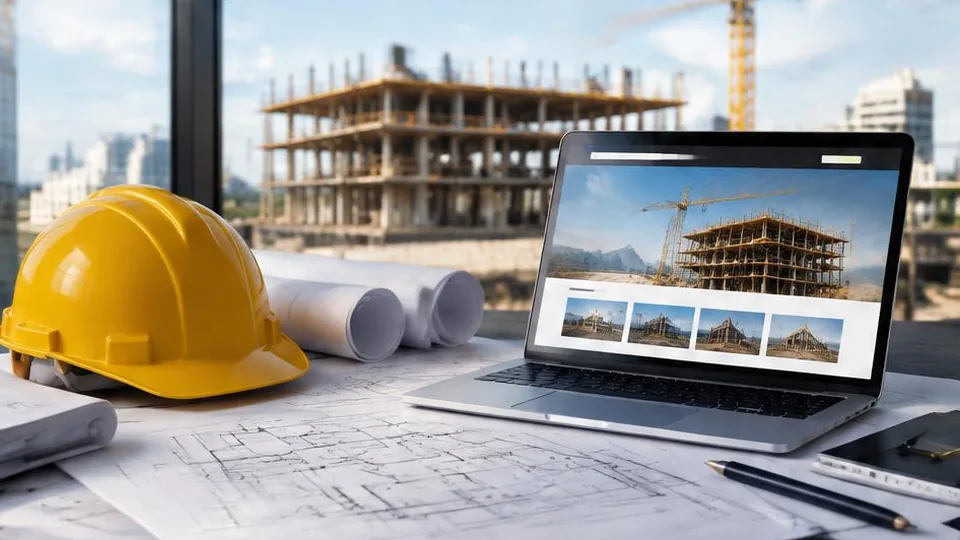
Hiring a construction company is a high-stakes decision involving significant money and trust, so a construction company website design has to do more convincing than almost any other type of business site. Visitors are asking one core question: can this company actually deliver what they promise? Everything on the site should help answer that clearly.
Lead with proof, not promises
Anyone can write "quality craftsmanship" and "on-time delivery" on a homepage. What actually convinces a potential client is evidence: real project photos, completed work, and clear information about scale and experience. Before any sales copy, the site should show what you have built.
A strong project gallery
This is the single most important section of a construction website. Organize past projects by type (residential, commercial, renovation, specialty work) so visitors can quickly find examples relevant to their own project. Include multiple photos per project, and where possible, a short description of scope, timeline, and any challenges overcome.
Services broken out clearly
If you offer distinct services — new builds, renovations, commercial fit-outs, project management — give each its own page. This helps visitors self-select into the right conversation and helps the site rank for more specific searches like "commercial renovation contractor" rather than only broad terms.
Licenses, insurance, and certifications
Construction clients are taking on real financial and legal risk. Displaying your licenses, insurance coverage, and any industry certifications prominently (not buried in fine print) builds the kind of trust that general-purpose web copy cannot.
Clear quote request process
Most construction websites should not try to sell on price upfront, since costs vary heavily by project. Instead, make requesting a quote simple: a form asking for project type, rough scope, timeline, and location, so your team can follow up with relevant questions rather than starting from zero.
Team and leadership
Construction is a relationship business. A page introducing key leadership or project managers, with real photos and background, helps prospective clients feel they are dealing with a real, accountable company rather than an anonymous outfit.
Design should feel solid, not flashy
The visual tone of a construction site should communicate reliability: clean layouts, strong imagery, readable typography, and a consistent structure across pages. Overly trendy design elements that feel temporary or gimmicky can undercut the sense of permanence and stability that construction clients are looking for. A clear brand book applied consistently across the site helps reinforce this.
Mobile matters more than you'd think
Construction clients, especially commercial ones, often research contractors from a job site or while traveling between meetings. A site that is slow or hard to navigate on mobile loses these visitors before they ever reach your contact form.
Reviews and client testimonials
Genuine client feedback, especially from recognizable local businesses or similar project types, goes a long way in this industry. If you have permission, naming the client or project (a specific retail build-out, a known local renovation) adds far more credibility than anonymous quotes.
SEO for construction companies
Most searches in this industry are local and service-specific: "commercial contractor [city]," "home renovation company near me." Structuring your site with location and service-specific pages, combined with ongoing local SEO, helps you show up for the searches that actually lead to bids.
Common mistakes to avoid
- No real project photos, or low-quality images that undersell the work
- Vague service descriptions that do not differentiate residential from commercial work
- Hard-to-find contact information or a quote request buried several clicks deep
- No visible licensing or insurance information
- A design that looks outdated compared to competitors bidding on the same jobs
Questions to ask before the build starts
- Which past projects do we have strong photos for, and which need new photography before launch?
- Do we want one combined quote form, or separate paths for residential and commercial inquiries?
- Who on our team will keep the project gallery updated as new jobs finish?
- Do we need to display licensing and insurance details differently across regions we work in?
A simple pre-launch checklist
- At least a handful of strong, well-lit photos per featured project
- Licenses, insurance, and certifications are visible, not just mentioned in passing
- The quote request form asks for project type, scope, and timeline without being so long that it discourages submission
- Every service has its own page with real, specific content
- Site loads quickly and is easy to navigate on a phone or tablet
Example: a residential versus commercial inquiry
A homeowner requesting a kitchen renovation quote and a facilities manager requesting a commercial build-out have very different timelines, decision processes, and questions. A single generic "contact us" form forces both into the same box, which often means your team gets vague submissions that take extra back-and-forth to qualify. Separating the paths, even with something as simple as two clearly labeled quote request options, tends to produce better, more actionable leads.
Keeping the site current after launch
Construction companies often let their project gallery go stale after the initial web design project wraps up. Assign ownership of updating photos and completed projects to someone on your team, or build it into an ongoing website maintenance plan, so the site keeps reflecting your most recent and most impressive work.
When to bring in outside help
If writing persuasive service descriptions, organizing a large project gallery, or planning a quote request flow feels like more than your team has time for, that is a reasonable moment to bring in outside help rather than publishing a thin site and hoping it improves later. A short planning conversation about your target clients and project types usually clarifies the site structure faster than guessing.
Building a site that wins bids
A construction company website should function as a always-on sales tool, not a digital business card. Start by cataloging your best project photos and client relationships, then build the site structure around proving capability and making it easy to start a conversation. A focused web design project, or a website redesign if your current site no longer reflects the quality of your work, is often the difference between winning a bid and never making the shortlist.
Frequently asked questions
Do I really need a portfolio page if most of my work comes from referrals?
Yes. Even referral clients research a company online before committing. A strong project gallery confirms their decision and helps you reach people outside your existing referral network.
Should pricing be listed on a construction website?
Most construction companies avoid listing fixed prices because costs vary heavily by project scope, materials, and site conditions. Instead, focus the site on making it easy to request a detailed quote.
How many project photos should I include per project?
Enough to tell the story: a few before, during, and after shots if available. Quality matters more than quantity — a handful of sharp, well-lit photos beats dozens of blurry ones.
Does a construction company need separate pages for each service?
If you offer distinct services, like residential building, commercial fit-out, and renovations, separate pages help both visitors and search engines understand what you do and find the right service faster.
How important are licenses and certifications on the website?
Very important. Construction is a trust-heavy, high-value decision, and visible licensing, insurance, and certifications reassure potential clients that they are dealing with a legitimate, qualified company.
Related articles

Cleaning Company Website Design: How to Generate More Leads
Cleaning services are often booked on impulse. A cleaning company website needs to make getting a quote fast, clear, and nearly effortless.
October 10, 2026
What Pages Should Every Business Website Have?
Every business website needs a core set of pages to build trust and guide visitors to act. Here's the checklist and why each page earns its place.
October 10, 2026
How to Improve Your Website's Conversion Rate
Traffic alone doesn't grow a business — conversions do. Here's a practical breakdown of how to improve your website's conversion rate.
October 10, 2026