Law Firm Website Design: Essential Features and Best Practices
Clients hiring a lawyer are making a high-trust, high-stakes decision. A law firm website needs to build credibility fast and make contacting the firm easy.
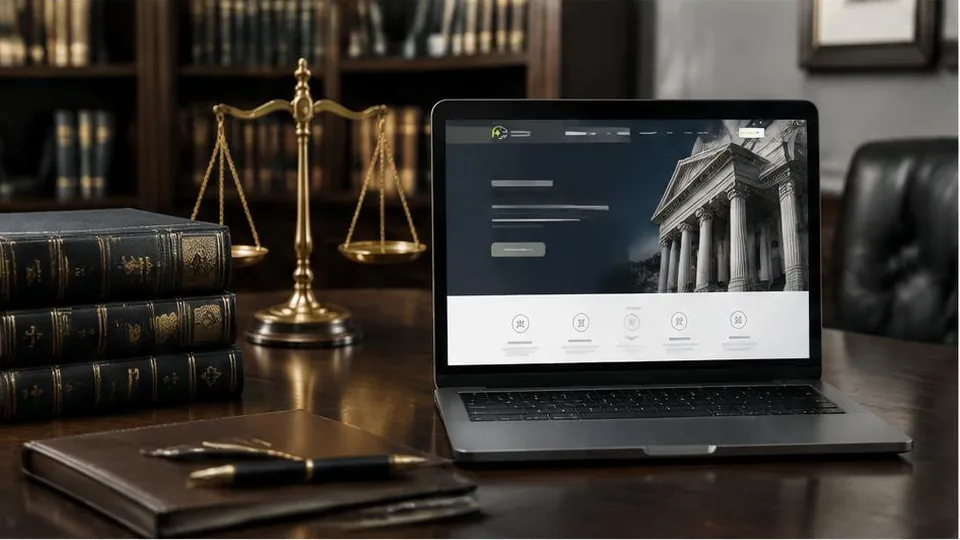
Hiring a lawyer is one of the more stressful, high-stakes decisions a person makes, and law firm website design has to earn trust fast enough to turn that stress into a phone call. Visitors are usually comparing several firms within a short window, often while dealing with an urgent legal issue, so clarity and credibility matter more than clever marketing language.
Start with what the visitor needs to know
Someone landing on a law firm's website generally wants to know: do you handle my type of case, are you experienced, what happens if I contact you, and how do I get started. A homepage that buries these answers under broad, generic language loses visitors to firms that are more direct.
Practice area pages that actually help
Rather than one general "practice areas" page, give each major area its own dedicated page: personal injury, family law, criminal defense, estate planning, business law, whatever applies to your firm. Each page should explain, in plain language:
- What kinds of situations or cases fall under that area
- What the general process looks like from the client's perspective
- Why someone should choose your firm for this specific need
- A clear next step, such as a consultation request
This structure also helps the site rank for the more specific searches people actually use, like a particular type of injury or dispute, rather than only broad legal terms.
Attorney bios build trust
Clients are not just hiring a firm, they are hiring a person they will work closely with during a difficult time. Detailed attorney bios with real photos, education, experience, and areas of focus help a potential client feel more confident before ever picking up the phone. A bio that feels generic or incomplete can quietly push a visitor toward a competitor.
Advertising rules vary by jurisdiction
Legal advertising is more regulated than most industries, and the specific rules differ significantly by jurisdiction and bar association — covering things like how testimonials can be used, what can be said about past results, and how certain terms like "specialist" may be restricted. These rules change over time and vary by location, so this is not something to treat as general web design guidance: confirm the specific requirements for your jurisdiction with your bar association or legal counsel before publishing testimonials, case results, or comparative claims on your site.
Trust signals worth including
- Bar admissions and any relevant certifications
- Years in practice and areas of focus
- Memberships in professional legal organizations
- Media mentions or published articles, where accurate and verifiable
- Clear, professional photography of attorneys and the office
Make contacting the firm effortless
A consultation request form should ask only for what is needed to have a first conversation: name, contact details, a brief description of the matter, and preferred contact method. Avoid asking for excessive detail upfront, which can feel invasive or legally premature. Pair the form with a visible phone number, since many potential clients still prefer to call directly, especially for urgent matters.
Design tone matters
Law firm websites benefit from a design that feels established and serious without being cold or intimidating. Clean typography, a restrained color palette, and well-organized navigation communicate professionalism more effectively than flashy animations or overly casual language. A consistent visual identity, guided by a clear brand book, reinforces credibility across every page.
Local SEO for law firms
Most legal searches are local and specific: "divorce lawyer [city]," "DUI attorney near me." Location-specific content, consistent firm name and address information across the site, and a complete, active Google Business Profile all support visibility in these searches, tying into a broader local SEO strategy.
Common mistakes to avoid
- A single generic practice areas page instead of dedicated pages per area
- Thin or missing attorney bios
- Publishing testimonials or results without confirming they comply with local bar rules
- Slow, hard-to-navigate pages that frustrate someone researching urgently
- No clear, low-friction way to request a consultation
Questions to ask before you start
- Which practice areas generate the most inquiries today, and do they each have a dedicated page?
- What do our bar association's advertising rules actually say about testimonials, results, and specific terms we want to use?
- Who will keep attorney bios and case results updated as the team changes?
- Do we want a single consultation form for the whole firm, or a separate one per practice area?
A simple pre-launch checklist
- Every practice area has its own page with plain-language explanations, not just a list
- Attorney bios include real photos, credentials, and areas of focus
- Any testimonials or results have been checked against local bar advertising rules
- Phone number and consultation request are visible without scrolling
- The site loads quickly and works well on mobile for someone searching urgently
Example: a potential client comparing firms
Someone searching for a personal injury attorney after an accident is often comparing several firms within the same afternoon, frequently from a phone. A firm with a clear practice area page, a visible attorney bio, and a short consultation form has a real advantage over one that only has a generic "practice areas" list and a slow contact page. The decision in these moments is often made on clarity and speed, not on who has the most experience on paper.
Avoiding compliance mistakes
Because advertising rules differ by jurisdiction, a common mistake is copying language, testimonials, or claims from another firm's website without checking whether they are permitted in your own jurisdiction. Before publishing anything related to results, comparisons, or client feedback, confirm it directly with your bar association or legal counsel rather than assuming it is standard practice. This is a case where a short conversation upfront saves a much bigger problem later.
Building a site that earns the call
A law firm's website is often the first real interaction a potential client has with the firm, well before any conversation happens. A thoughtful web design project built around clarity, credibility, and ease of contact will outperform a generic template every time. If your current site feels dated or does not reflect the quality of your practice, a website redesign is often a worthwhile investment well before you need more leads than you can currently generate.
Frequently asked questions
Do I need a separate page for each practice area?
Yes, in most cases. Separate pages let you explain each area in depth, match the specific language potential clients search for, and help the site rank for more precise terms like a specific case type rather than only a broad practice area.
Should I include client testimonials on my law firm website?
This depends heavily on the rules of your specific bar association or jurisdiction, which vary widely on what can be claimed, how results can be described, and whether testimonials are permitted at all. Check your local advertising rules, or consult your bar association, before publishing any client feedback or case results.
Do attorney bio pages really matter for conversions?
Yes. Clients are hiring a person as much as a firm, and a detailed, approachable bio with real credentials often influences the decision to call more than general firm marketing.
Should I offer a free consultation request form?
Many firms do, since it lowers the barrier for a potential client to make first contact. Make sure the form clearly states what happens next and does not promise specific outcomes or legal advice through the form itself.
How important is site speed and mobile design for a law firm?
Very important. Potential clients often research attorneys urgently, sometimes from a phone shortly after an incident, and a slow or hard-to-navigate site can lose that contact to a competitor.
Related articles

Medical Clinic Website Design: Features Every Clinic Needs
Medical clinic websites carry extra responsibility: patients need information fast, and the site needs to handle their data with care. Here is what to include.
October 10, 2026
What Pages Should Every Business Website Have?
Every business website needs a core set of pages to build trust and guide visitors to act. Here's the checklist and why each page earns its place.
October 10, 2026
Local SEO for Small Businesses: How to Attract Nearby Customers
If your customers come from a specific area, local SEO is how you show up when they search. Here's how it works and where to start.
October 10, 2026